

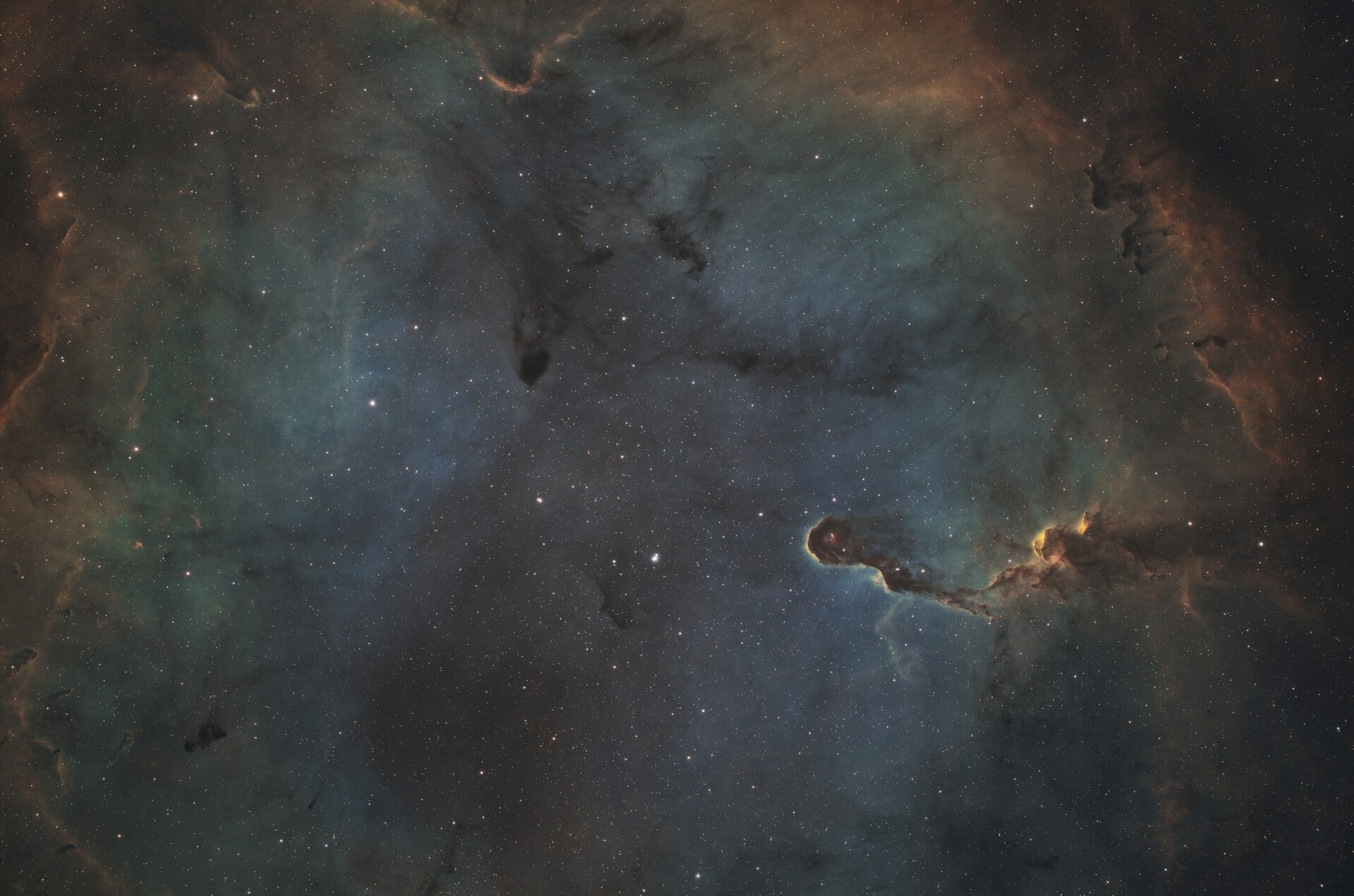
The Elephant Trunk Nebula
The Elephant Trunk Nebula, also known as IC 1396, is a striking region of star formation located in the constellation Cepheus. This nebula is particularly captivating when captured in the Hubble Palette, using a combination of Hydrogen Alpha, Oxygen III, and Sulphur II filters. With a total exposure time of 7 hours with the FS-102 and ASI 2600 MM Pro, the resulting SHO image reveals intricate details and vibrant colours, showcasing the nebula's dense clouds of gas and dust. The Elephant Trunk itself, a prominent feature within this nebula, is a dark silhouette against the glowing backdrop of newly forming stars.
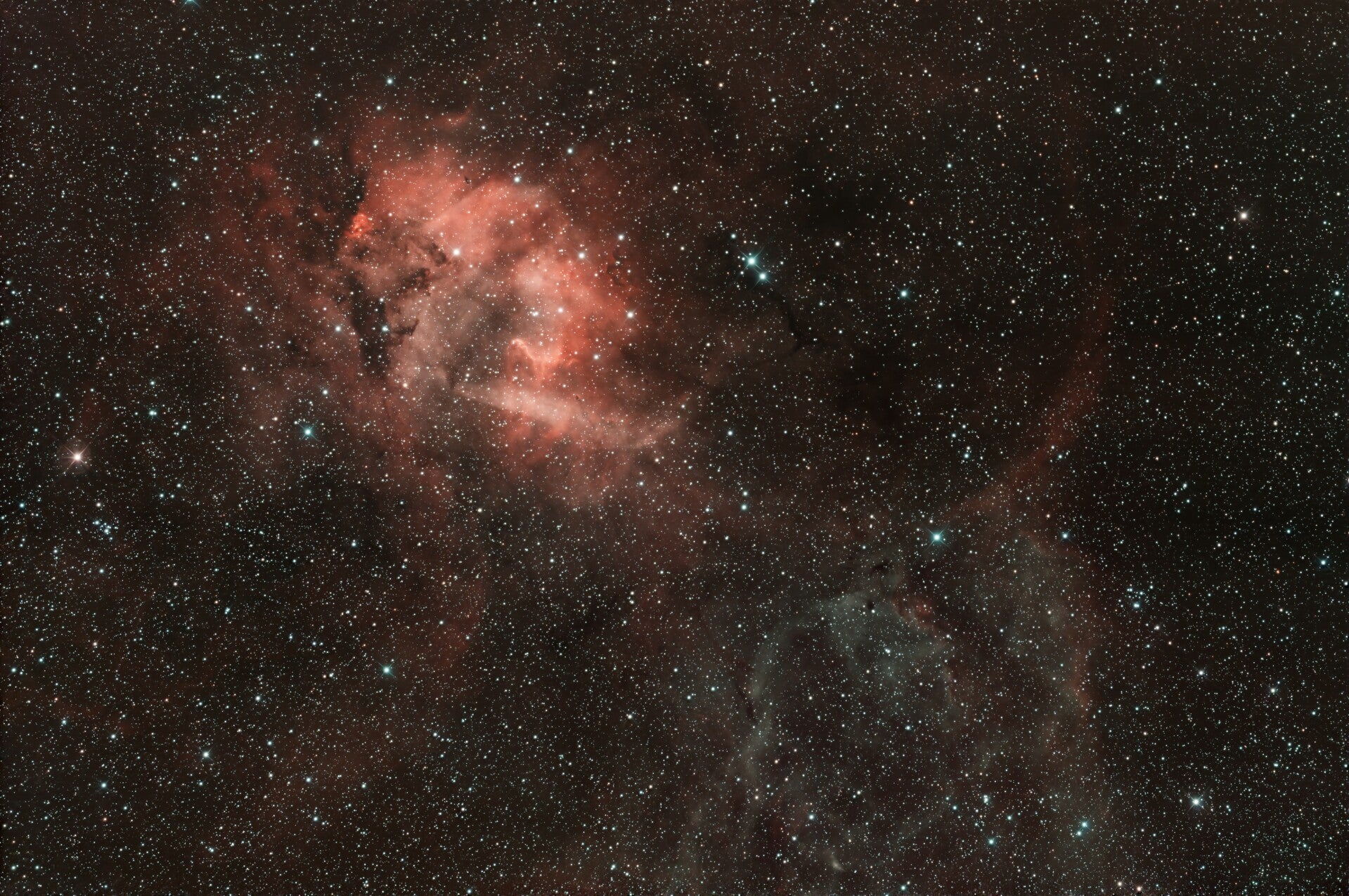
Imaging SH2-132
SH2-132 is a challenging target to capture despite the larger aperture of the Orion Newtonian telescope. Achieving a detailed image of the faint nebulosity can be quite difficult specially with the 071 MC Pro camera and L-Enhance filter. . Total exposure time of five hours using 60 second unguided subframes. SH2-132 is an emission nebula in the constellation Cassiopeia, approximately 1,000 light-years away from Earth and spans around 30 light-years in diameter. Its vibrant colours are a result of ionised gases, primarily hydrogen, which glow as they are energised by nearby hot stars.
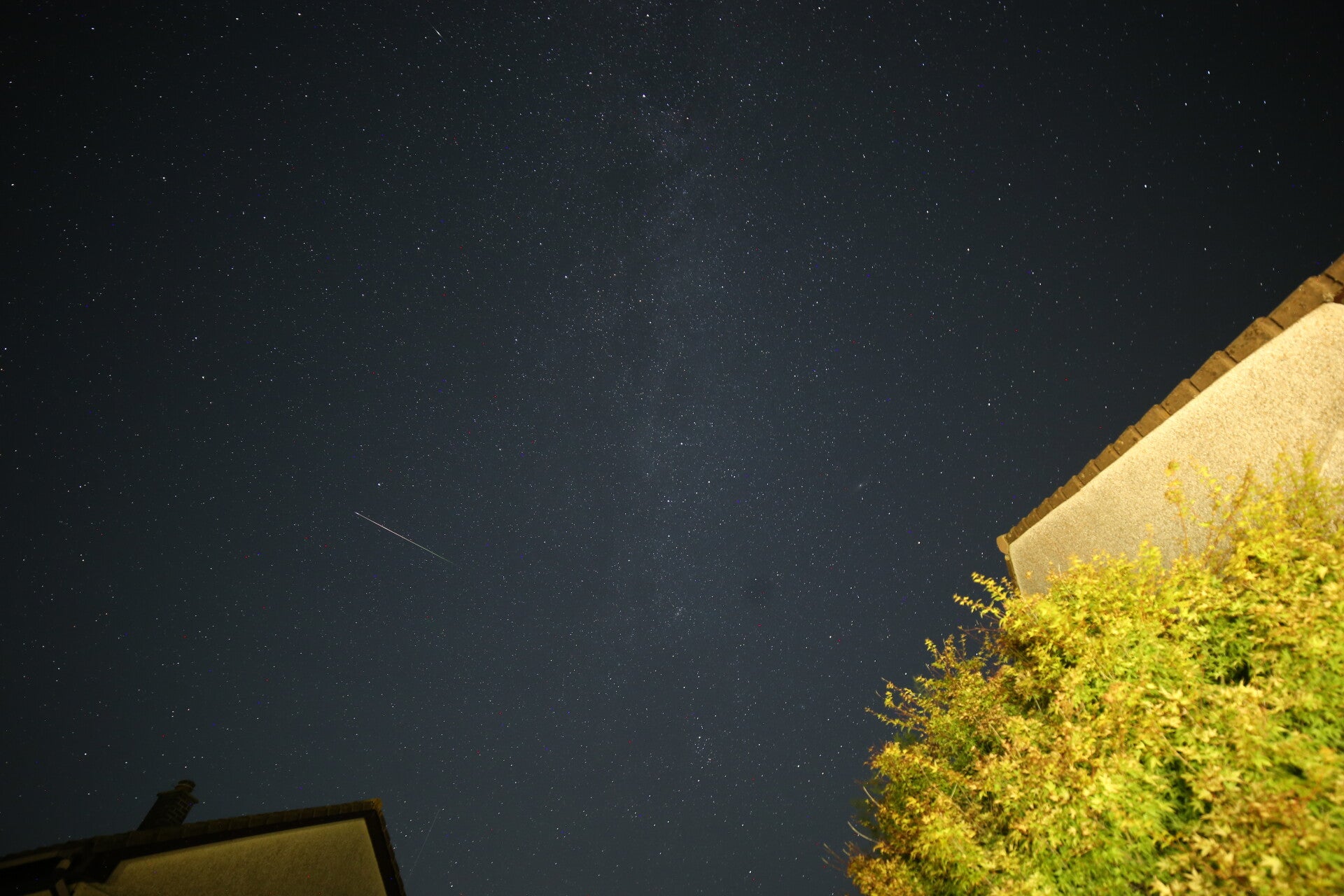
The Perseids Meteor Shower
The Perseids meteor shower peaks around the 12th to 13th of August. Named after the constellation Perseus, from which the meteors appear to originate, this shower is caused by the Earth passing through the debris left by the Swift-Tuttle comet. As the comet approaches the Sun, it sheds particles that enter our atmosphere at high speeds, creating bright streaks of light in the night sky. The Perseids are known for their high activity, often producing up to 100 meteors per hour at their peak. Observers can expect to see shooting stars that can be bright and colourful, sometimes even leaving trails that linger for a few seconds. This is an image of a bright meteor captured with my Canon 6D and wide angle lens. The Milky Way can be seen in the background.
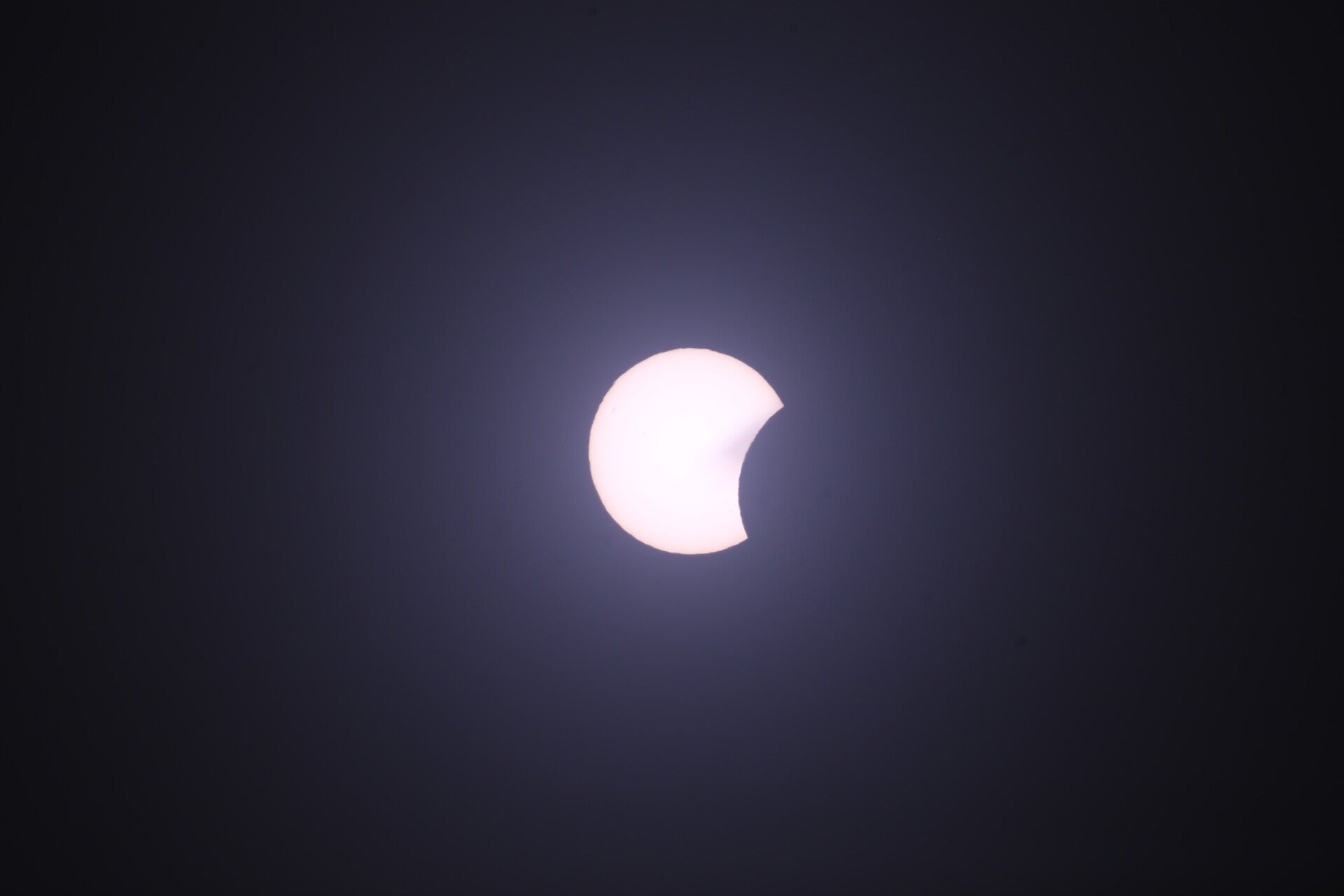
The Partial Solar Eclipse of 12th August 2026
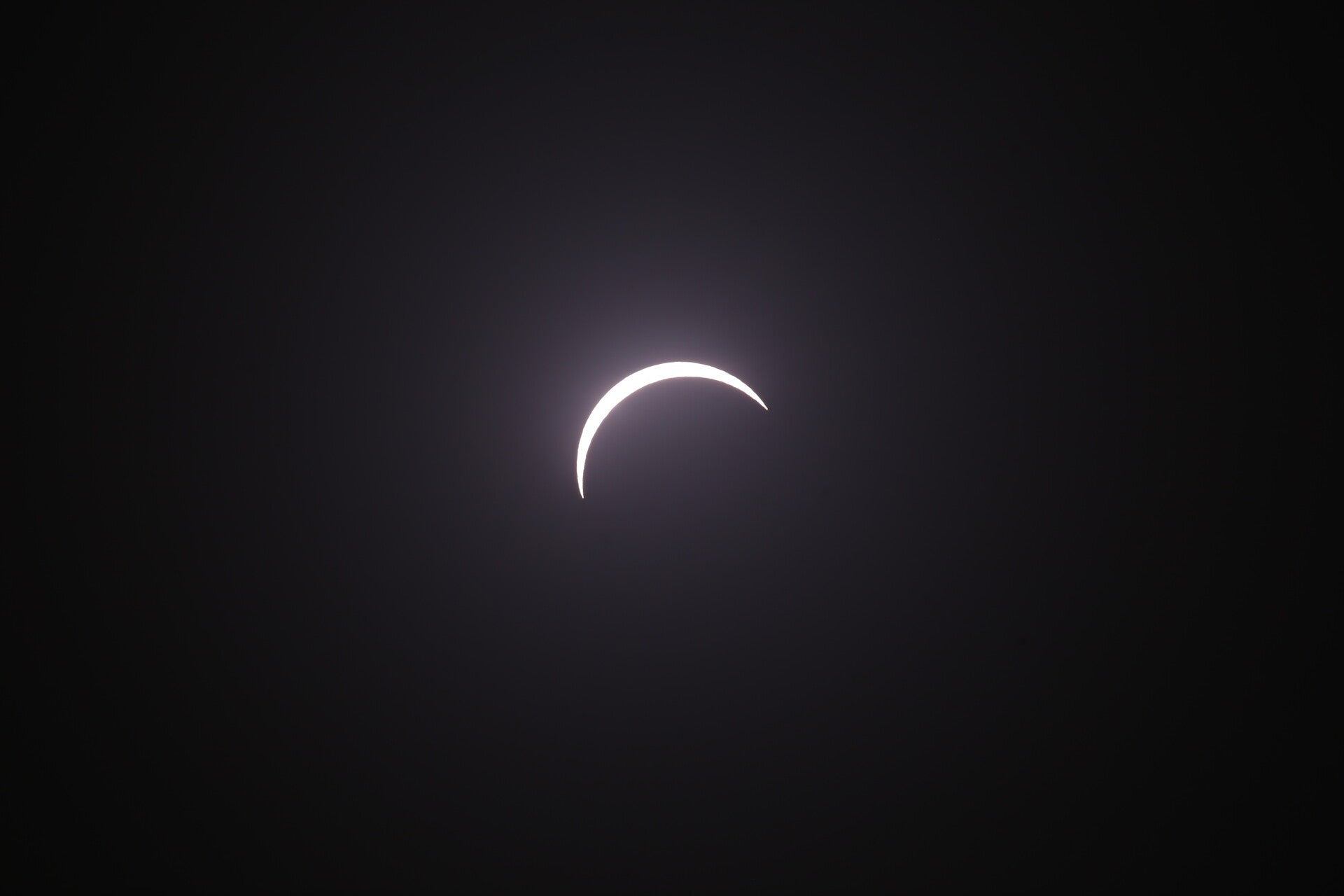
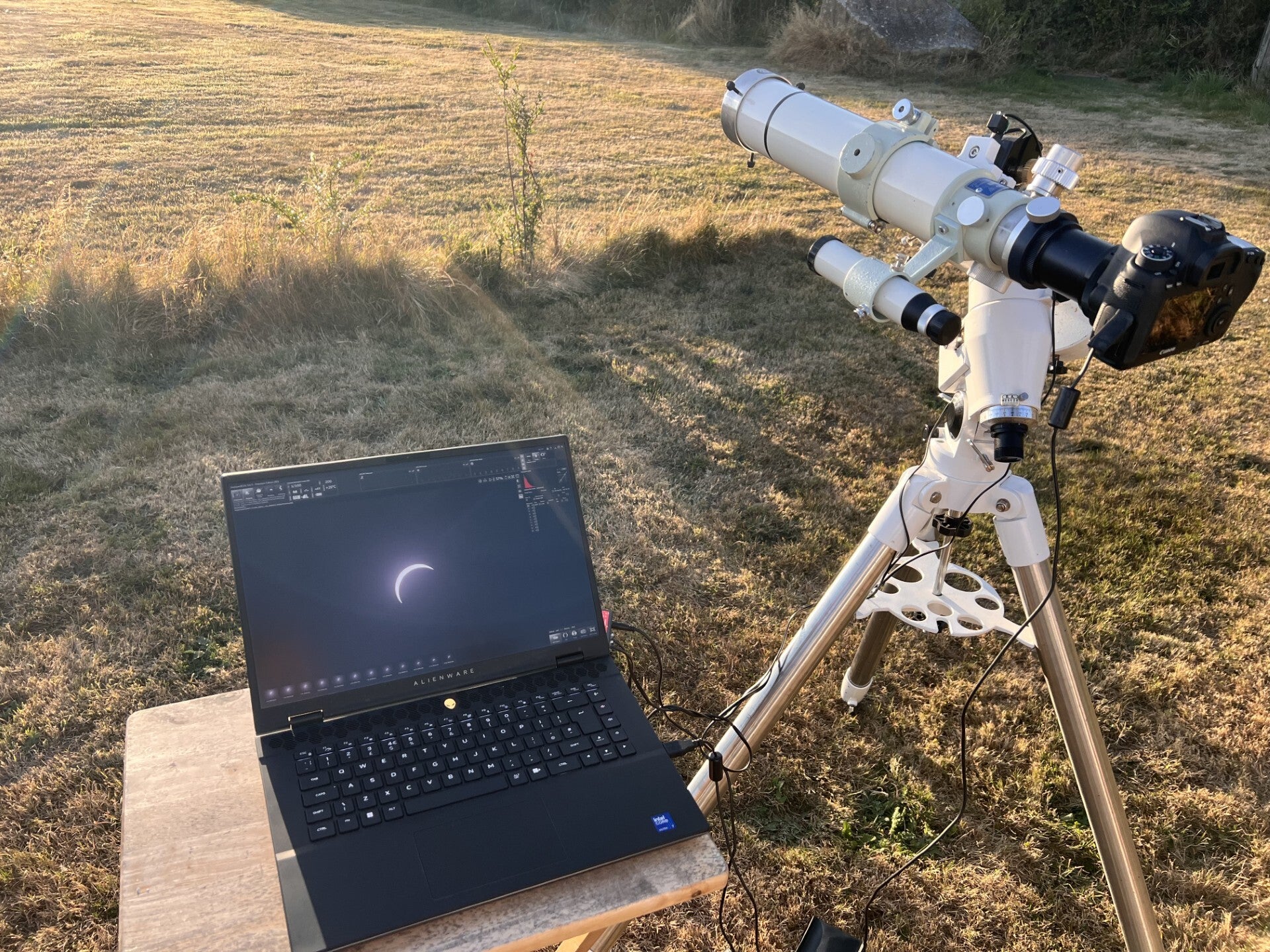
I used my Takahashi FS60 Q telescope and Canon 6d to view and capture some images of the solar eclipse earlier this month. The weather was perfect and despite the need for a quick relocation half way it was great to see maximum eclipse and feel it go slightly chilly before warming up again before the sun finally set
Add comment
Comments